Yacht charter in Dubai: how to plan the perfect day at sea
Yacht sizes and types, the classic routes past Dubai Marina, Palm Jumeirah and the World Islands, what is included, licensing and safety, the best season and the etiquette on board.
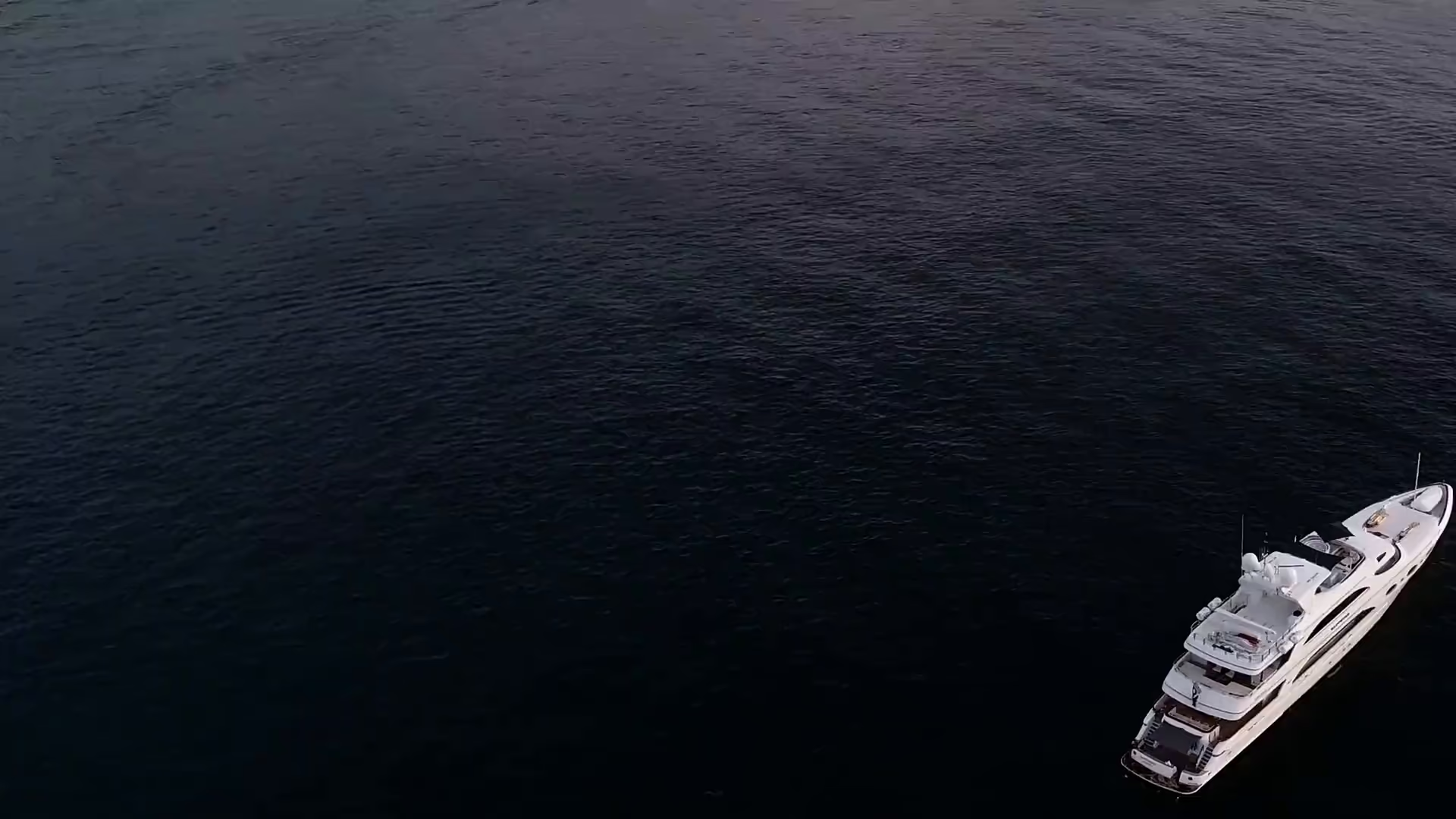
Seen from the water, Dubai becomes a different city. The towers of Dubai Marina rise straight from the shoreline, the crescent of Palm Jumeirah opens like a map, and at sunset the Burj Al Arab turns from white to gold. A yacht charter in Dubai is one of the most rewarding ways to spend a day in the emirate, whether it is a two-hour cruise with friends, a family celebration or a quiet afternoon of swimming off the Palm. Planning it well, however, takes more than choosing the largest boat available. This guide explains how to choose a yacht, which routes to consider, what a charter normally includes, how the sector is regulated and how to behave on board.
Dubai's marine leisure sector is overseen by the Dubai Maritime Authority, part of the Ports, Customs and Free Zone Corporation (PCFC) and known until recently as the Dubai Maritime City Authority. Its rules and services are updated from time to time, so wherever a regulatory detail matters for your trip, check the current position with the authority or ask your charter company to confirm it in writing.
Yacht sizes and types: choosing the right boat
Charter yachts in Dubai are usually described by their length in feet, and the length largely determines how many guests can come aboard, how much deck space there is and whether the boat has cabins below. On Visit Dubai's experiences platform, run by the emirate's tourism authority, private charters range from compact boats of around 36 feet licensed for up to 10 guests to much larger yachts that carry several dozen people. Each vessel's maximum capacity is set when it is licensed, and a reputable operator will not exceed it.
Small motor yachts, broadly those under about 45 feet, suit couples, small families and groups of friends who want to cruise, swim and watch the skyline. They are nimble, quick to reach the Palm and the Burj Al Arab, and usually the most economical way to charter. Mid-size yachts, roughly between 50 and 80 feet, add a larger flybridge or upper deck, an indoor saloon with air conditioning, one or more cabins and more crew. They are the usual choice for birthdays, corporate entertaining and longer trips with a meal on board.
The largest vessels, the ones the industry calls superyachts, offer several decks, multiple cabins, a dedicated chef and a larger professional crew. They are typically chartered for full days, special events and longer stays, and they require more notice to book. Beyond size, consider the type of boat. Most charters in Dubai are motor yachts, which reach the main sights quickly and give stable platforms for swimming. Sailing yachts and catamarans are also available; a catamaran's broad, stable deck suits families and those prone to seasickness, while a sailing yacht offers a quieter, more traditional experience for guests who care about the journey as much as the destination.
A simple way to decide is to start with the number of guests, add some comfortable space, and then think about what the group wants to do. If swimming is the priority, look for a yacht with a swim platform and a ladder that is easy to use. If the day is about dining, a covered upper deck and a proper galley matter more than speed. If children are coming, ask about shade, toilets, and child-sized life jackets.
Classic routes: Dubai Marina, Palm Jumeirah and the World Islands
Most charters in Dubai depart from Dubai Marina or nearby Dubai Harbour, and the route usually follows the coastline. A typical short cruise leaves the marina, passes the towers of Jumeirah Beach Residence and the observation wheel at Bluewaters Island, and then heads to the outer crescent of Palm Jumeirah for views of Atlantis, The Palm. From there it continues along the coast towards the Burj Al Arab before returning. Listings on Visit Dubai describe exactly this kind of itinerary: Marina, JBR, Atlantis and the Burj Al Arab in a few hours.
With a longer charter, of four hours or more, you can add a swimming stop in sheltered water, usually off the Palm, and a slower return at sunset, when the skyline lights up. Swimming stops depend on the sea state, the location and the captain's judgement, so treat them as a plan rather than a promise.
The World Islands, the artificial archipelago off the coast of Jumeirah, make a natural destination for a full-day charter. The distance from Dubai Marina means it is best reached on a longer booking, and the open water on the way can be choppier than inside the marina. Some islands host beach clubs and private venues, but landing on an island depends on arrangements with the venue or landowner, so discuss it with the charter company in advance rather than assuming the yacht can simply anchor and come ashore.
Before booking, ask the operator to describe the route in detail and how long each section takes. A two-hour cruise from Dubai Marina to the Burj Al Arab and back leaves little time for anything else; a four-hour charter allows a swim and a relaxed pace. The Dubai Maritime Authority publishes an interactive Dubai Maritime Map that shows berthing areas, recreational zones, tourist sites and restricted areas, which gives a useful picture of where leisure boats can and cannot go.
What a yacht charter usually includes
Most private yacht charters in Dubai are crewed: the price includes the yacht, a licensed captain and, on larger boats, additional crew. Standard inclusions vary by operator, but listings on Visit Dubai commonly mention soft drinks, water, ice, towels, a music system and use of the yacht's equipment. Some packages add food, a barbecue, a dedicated host or transfers from the hotel.
Extras are where costs and expectations can diverge. Catering, decorations, a photographer, water toys such as jet skis or inflatable platforms, and fishing equipment are often charged separately. Fuel for longer routes may or may not be included. Ask for a written confirmation listing what is included, what costs extra and what the cancellation and weather policy is. Treat a quote without these details as incomplete.
Time is the other variable. Charters are sold by the hour, with minimum durations that often start at two hours. The time normally begins at the agreed departure, not when the last guest arrives, so lateness shortens the cruise. Visit Dubai listings ask guests to arrive 15 to 20 minutes before departure and state plainly that late arrivals are not compensated.
Safety, licensing and the Dubai Maritime Authority
The Dubai Maritime Authority regulates marine activity in Dubai's waters, from the registration of vessels to the licensing of crews and the permits needed for commercial marine activities. Its publications describe digital services through which marine activity permits, craft registration and crew licences can be issued and renewed, and a self-inspection service for pleasure craft up to 12 metres as part of the technical inspection process.
For a guest, this translates into a few practical checks. A licensed charter company should be able to show that its business and its vessel are licensed for the activity and that its captain holds the appropriate certificate. The yacht should carry life jackets for everyone on board, including children's sizes, and the crew should give a short safety briefing before departure covering life jackets, emergency exits and the rules for swimming. If a company is reluctant to answer these questions, choose another one.
There is also a step that happens behind the scenes. According to Visit Dubai's charter listings, every boating trip requires prior approval from the Dubai Coast Guard, which depends on weather conditions, and guests are asked to provide a copy of a valid passport or Emirates ID after booking. Send these details promptly; a missing document can delay or cancel a departure.
Some visitors would rather take the helm themselves. In August 2025, Gulf Business reported that the Dubai Maritime Authority had launched a service allowing foreign visitors who hold maritime licences from countries affiliated with the International Maritime Organization to have those licences verified digitally and receive a Dubai permit to operate pleasure vessels, subject to the authority's standards. If you plan to skipper a boat yourself, check the current requirements with the authority well before your trip; for most guests, a crewed charter remains the simpler and more relaxing option.
When to go: seasons, weather and time of day
Dubai's charter season follows its climate. The cooler months from late autumn to spring are the most popular, with mild temperatures, clear skies and calm afternoons that make long days on deck comfortable. The Dubai Maritime Authority has explicitly linked its incentives for visiting yachts to winter tourism, a sign of when the city's waters are busiest. Summer charters are possible, and some guests prefer the quieter marina, but heat and humidity make early mornings, late afternoons and evening cruises far more pleasant than midday.
Wind is the factor that most often changes plans. Strong winds can raise the sea state outside the marina, and since trips need Coast Guard approval that depends on the weather, a departure may be postponed or shortened at short notice. Read the operator's weather policy before booking; reputable companies offer to reschedule or refund when the authorities do not permit a trip.
Time of day shapes the experience too. Morning charters offer calm water and soft light for swimming. Afternoon departures that run into sunset are the most sought after, for the view of the skyline lighting up, and should be booked early. Evening cruises show the city at its most theatrical, though swimming is usually best left for daylight.
Booking a yacht in Dubai: questions to ask
The market for yacht charter in Dubai is large, and listings can look similar. A handful of questions separates the professional operators from the rest. Is the company licensed for marine leisure activity, and is the specific yacht in the photographs the one you will board? What is the licensed passenger capacity? Who is the captain and how many crew will be on board? What exactly is included, and what is charged as an extra? What happens if the weather or the authorities do not allow the trip? How and when is payment taken, and what is the cancellation policy?
Comparing offers side by side makes these questions easier to answer. Rento Line, the Global Rental Marketplace for cars, yachts and private jets and the sister platform of B12 Group, brings together yacht charters in Dubai and in other destinations around the world, so travellers can compare sizes, inclusions and terms before they commit.
Etiquette on board
A yacht is a small space shared with a professional crew, and a few conventions make the day better for everyone. Arrive on time with the documents the operator requested. Many yachts ask guests to go barefoot or wear soft-soled shoes on deck to protect the teak and prevent slips; follow the crew's guidance. Bring sun protection, a hat and a change of clothes, and avoid glass bottles if the operator asks you to.
Respect the captain's decisions. Where the yacht anchors, when guests may swim and when it is time to return are safety calls, and a good captain will explain them. Keep music at a level that suits the setting, especially near residential areas of the Palm and in the marina. Dress modestly when the yacht is moored in public view, and follow the operator's rules on food, drink and smoking, which differ from boat to boat.
Gratuities are not usually included in the price. If the crew has looked after your group well, a tip at the end of the trip, handed to the captain to share, is a customary and appreciated gesture.
The B12 view
A day at sea in Dubai rewards preparation. The best charters start with the right questions: how many guests, which route, how long and what is included. Behind them sits a regulated framework, from the Dubai Maritime Authority's licensing of vessels and crews to the Coast Guard's approval of each trip. As a group with interests in yachts, B12 sees the same pattern on every well-run voyage: a licensed vessel, a clear agreement and a crew trusted to make the safety decisions. Choose an operator who welcomes your questions, plan around the season and the wind, and let the city do what it does best from the water.